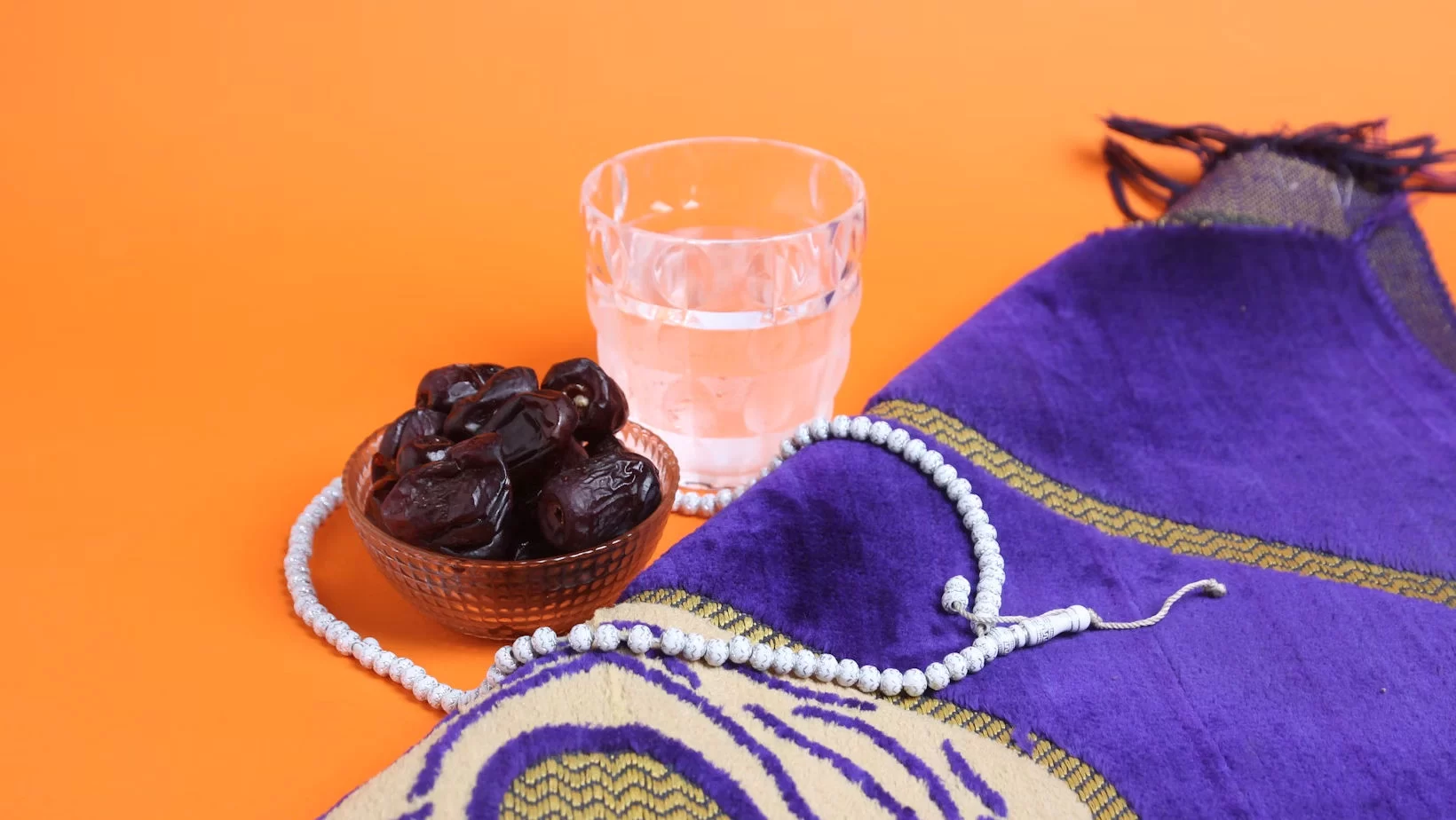
As we approach the blessed month of Ramadan, many of my patients at Revitalyze express concerns about maintaining their skin’s radiance while fasting. As a Harley Academy-trained aesthetic practitioner, I understand the unique challenges that fasting presents to skin health. The temporary changes in hydration patterns, sleep schedules, and nutrition can impact your skin’s appearance: but with the right approach, you can achieve that coveted Eid glow while honouring your spiritual commitments.
Through my clinical experience and evidence-based practice, I’ve developed this comprehensive 5-step guide to help you maintain optimal skin health throughout Ramadan. These medically-informed strategies will ensure your skin remains vibrant, hydrated, and prepared for the celebrations ahead.
Step 1: Fortify Your Skin Barrier with Hydration
Before Ramadan begins, strengthen your skin’s natural protective barrier through targeted hydration strategies. Clinical research demonstrates that a compromised skin barrier leads to increased transepidermal water loss, making fasting-related dehydration more pronounced on your complexion.
Implement these evidence-based approaches:
Apply a ceramide-rich moisturiser twice daily to reinforce your skin’s lipid barrier. Ceramides comprise up to 50% of your skin’s natural barrier function, making them essential for maintaining hydration during periods of reduced water intake.
Incorporate hyaluronic acid serums into your routine 2-3 weeks before Ramadan. This powerful humectant can hold up to 1,000 times its weight in water, creating a moisture reservoir within your skin tissues.
Use overnight hydrating masks containing niacinamide twice weekly. Clinical studies show niacinamide improves skin barrier function by 12% after just four weeks of consistent use.
Professional recommendation: Consider our Intravita therapy before Ramadan begins. This advanced hydration treatment delivers vitamins and minerals directly into your skin, creating optimal conditions for the fasting period ahead.
Step 2: Master Strategic Hydration During Non-Fasting Hours
Effective hydration during Ramadan requires a strategic approach that maximises water retention during the permitted eating window. As a medical aesthetic practitioner, I recommend focusing on both immediate hydration and cellular water retention.
Follow this hydration protocol:
Consume 8-10 glasses of water between Iftar and Suhoor, spacing intake every 30-45 minutes to optimise absorption. Rapid water consumption can lead to increased urination without adequate cellular uptake.
Incorporate water-rich foods that provide sustained hydration: cucumber (96% water content), watermelon (92%), and leafy greens (90-95%). These foods release water slowly, supporting prolonged hydration.
Add a pinch of Himalayan salt to your water to enhance electrolyte balance and improve cellular water retention. This simple addition can increase hydration efficiency by up to 15%.
Avoid excessive caffeine and refined sugars during Suhoor, as these can accelerate dehydration through their diuretic effects.

Step 3: Simplify and Optimise Your Daily Skincare Routine
During fasting periods, your skin becomes more sensitive to aggressive treatments and products. Simplifying your routine while maintaining effectiveness is crucial for preserving your skin’s health throughout Ramadan.
Implement this streamlined routine:
Morning Protocol:
Cleanse with a gentle, pH-balanced cleanser that won’t strip natural oils
Apply vitamin C serum (10-15% concentration) for antioxidant protection
Follow with lightweight, non-comedogenic moisturiser and/ or serum depending on your skin type
Finish with broad-spectrum SPF 50+ sunscreen
Evening Protocol:
Remove makeup and impurities with micellar water or gentle cleansing oil
Apply hydrating toner with rose water or chamomile extract
Use retinol-based serum (reduce frequency during fasting if sensitivity increases)
Apply rich night serum with peptides for overnight repair
Eliminate harsh physical scrubs and high-concentration acids during fasting days to prevent irritation when your skin’s protective mechanisms may be compromised.
Step 4: Nourish Your Skin from Within with Strategic Nutrition
The foods you consume during Suhoor and Iftar directly impact your skin’s appearance and health. Focus on nutrient-dense options that support collagen production, cellular repair, and antioxidant protection.
Prioritise these skin-supporting nutrients:
Omega-3 fatty acids from salmon, walnuts, and flaxseeds support skin barrier function and reduce inflammation. Aim for 2-3 servings weekly during your eating window.
Antioxidant-rich foods including blueberries, pomegranates, and dark chocolate (70%+ cacao) protect against free radical damage that accelerates skin aging.
Vitamin C sources such as citrus fruits, bell peppers, and strawberries support collagen synthesis and skin brightness. Include at least one serving daily.
Zinc-rich foods like pumpkin seeds, chickpeas, and lean meats support wound healing and skin cell turnover.
Limit processed foods, excessive sugar, and fried items that can trigger inflammation and compromise skin clarity.
Step 5: Plan Professional Treatments for Optimal Eid Results
Strategic timing of aesthetic treatments ensures you achieve maximum results for Eid celebrations while respecting the fasting period. As your aesthetic practitioner, I recommend specific treatment windows for optimal outcomes.
Pre-Ramadan preparation (2-4 weeks before):
Schedule more intensive treatments like mesotherapy or microneedling to improve skin texture and hydration levels before fasting begins.
During Ramadan:
Opt for gentle, non-invasive treatments that support rather than stress your skin. Hydrating facials and LED light therapy are excellent options that complement your fasting routine.
Post-Ramadan (1-2 weeks before Eid):
This is the ideal window for skin-perfecting treatments. Consider skin boosters or vitamin infusions to achieve that final glow for your Eid celebrations.
Clinical insight: Our NAD+ therapy can be particularly beneficial during Ramadan, as it supports cellular energy production and repair mechanisms that may be affected by fasting.
When to Seek Professional Guidance
If you experience persistent skin concerns during Ramadan: such as excessive dryness, sensitivity, or breakouts: consult with a qualified aesthetic practitioner. These symptoms may indicate that your routine needs professional adjustment or that underlying skin conditions require medical attention.
At Revitalyze, I’ve helped hundreds of patients maintain radiant skin throughout Ramadan while respecting their spiritual commitments. My evidence-based approach ensures that your skin care routine enhances rather than conflicts with your fasting experience.
Preparing for Success
Start implementing these strategies 2-3 weeks before Ramadan begins. This preparation period allows your skin to adapt to new products and routines, ensuring optimal results throughout the fasting month.
Remember that consistency is key to achieving that coveted Eid glow. Small, daily actions compound over time to create significant improvements in your skin’s appearance and health.
For personalised advice tailored to your specific skin concerns and goals, I invite you to schedule a consultation at Revitalyze. Together, we can develop a customised plan that honours your Ramadan observance while achieving your aesthetic goals.
Have a blessed and radiant Ramadan!
Dr. Fatima Eltinay is a Harley Academy-trained aesthetic practitioner specialising in evidence-based skincare and wellness solutions. Her clinical expertise combines medical knowledge with cultural sensitivity to provide comprehensive care for diverse patient needs.