As we approach the sacred month of Ramadan, the focus naturally shifts toward spiritual purification and self-discipline. However, as a Harley Academy trained medical practitioner specializing in holistic wellness, I witness first-hand how this transformative period offers profound opportunities for complete physical, mental, and spiritual rejuvenation: benefits that extend far beyond the month itself.
The intersection of faith and medicine reveals remarkable insights into how our internal health directly manifests in our external appearance. During my years of clinical practice, I’ve observed that patients who approach Ramadan with a comprehensive wellness strategy emerge not only spiritually renewed but with visibly improved skin health, enhanced energy levels, and measurable improvements in their biomarkers.
The Science Behind Ramadan’s Healing Power
Ramadan fasting triggers powerful metabolic rebalancing that modern medicine is only beginning to fully understand. The physiological reset that occurs during this month offers genuine disease prevention benefits by reducing systemic inflammation and potentially preventing conditions including cardiovascular disease and certain cancers.
From a clinical perspective, the fasting state activates autophagy: your body’s natural cellular cleaning process: while simultaneously improving insulin sensitivity and hormone regulation. These mechanisms directly impact skin health, energy metabolism, and overall vitality. The traditional practice of intermittent fasting during Ramadan aligns perfectly with evidence-based approaches to metabolic health optimization.
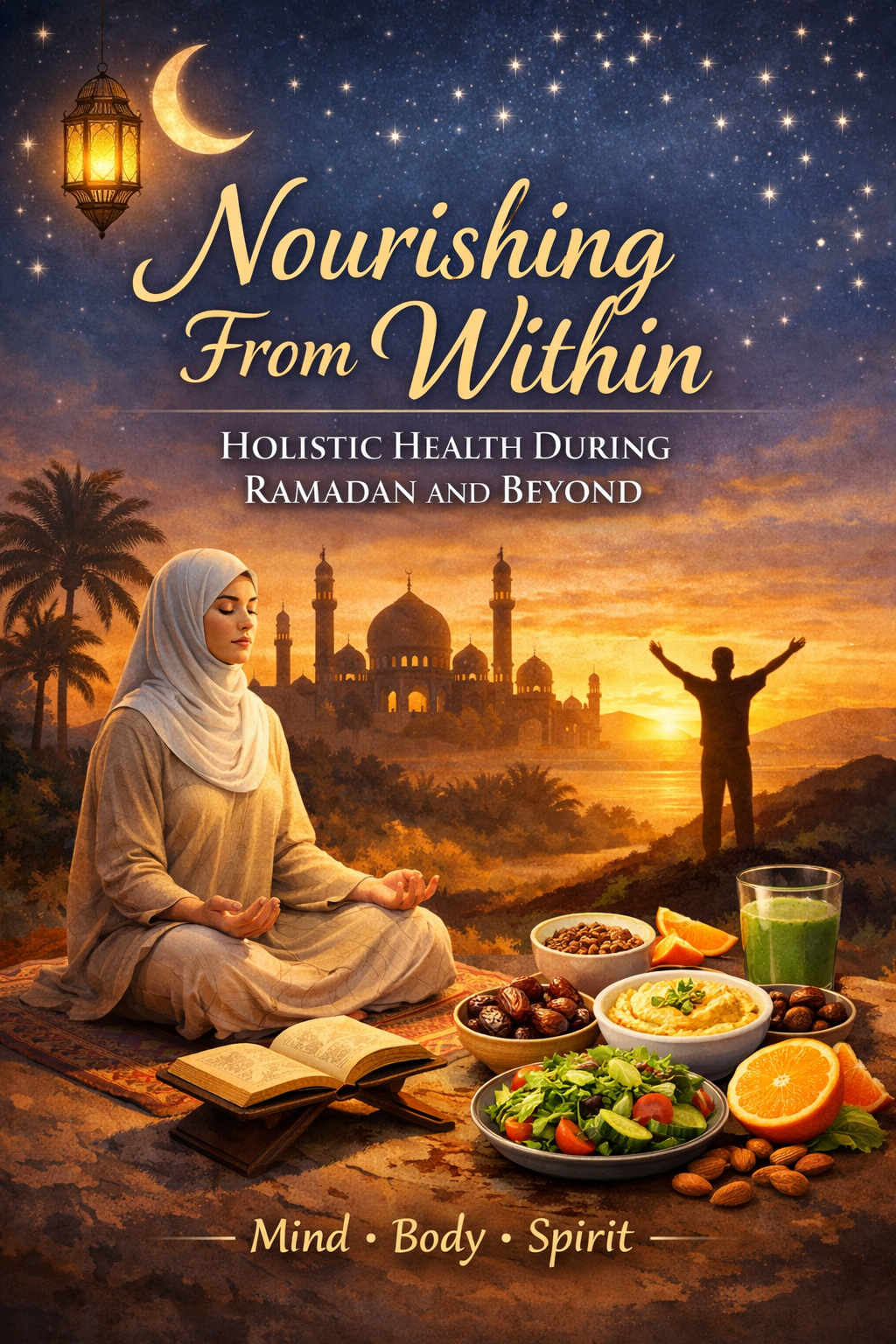
Optimize Your Suhoor for Skin Health and Sustained Energy
Your pre-dawn meal serves as the foundation for maintaining stable energy and supporting skin health throughout the fasting day. Focus on creating a balanced plate that supports both metabolic function and dermatological wellness.
Prioritize High-Quality Proteins: Include Greek yogurt, eggs, or lean meats to provide amino acids essential for collagen synthesis and cellular repair. These proteins help maintain skin elasticity and support the natural healing processes that occur during fasting.
Incorporate Healthy Fats: Avocados, nuts, seeds, and olive oil provide essential fatty acids that maintain skin barrier function and reduce inflammation. These fats also slow digestion, helping you feel satisfied longer.
Choose Complex Carbohydrates: Opt for oats, quinoa, or whole grain bread to provide sustained energy release. These foods help maintain stable blood glucose levels, preventing the skin stress that can occur with blood sugar fluctuations.
Add Skin-Supporting Nutrients: Include berries rich in antioxidants, leafy greens high in folate and vitamin K, and citrus fruits for vitamin C: all crucial for collagen production and skin protection.
Strategic Iftar Planning for Internal and External Radiance
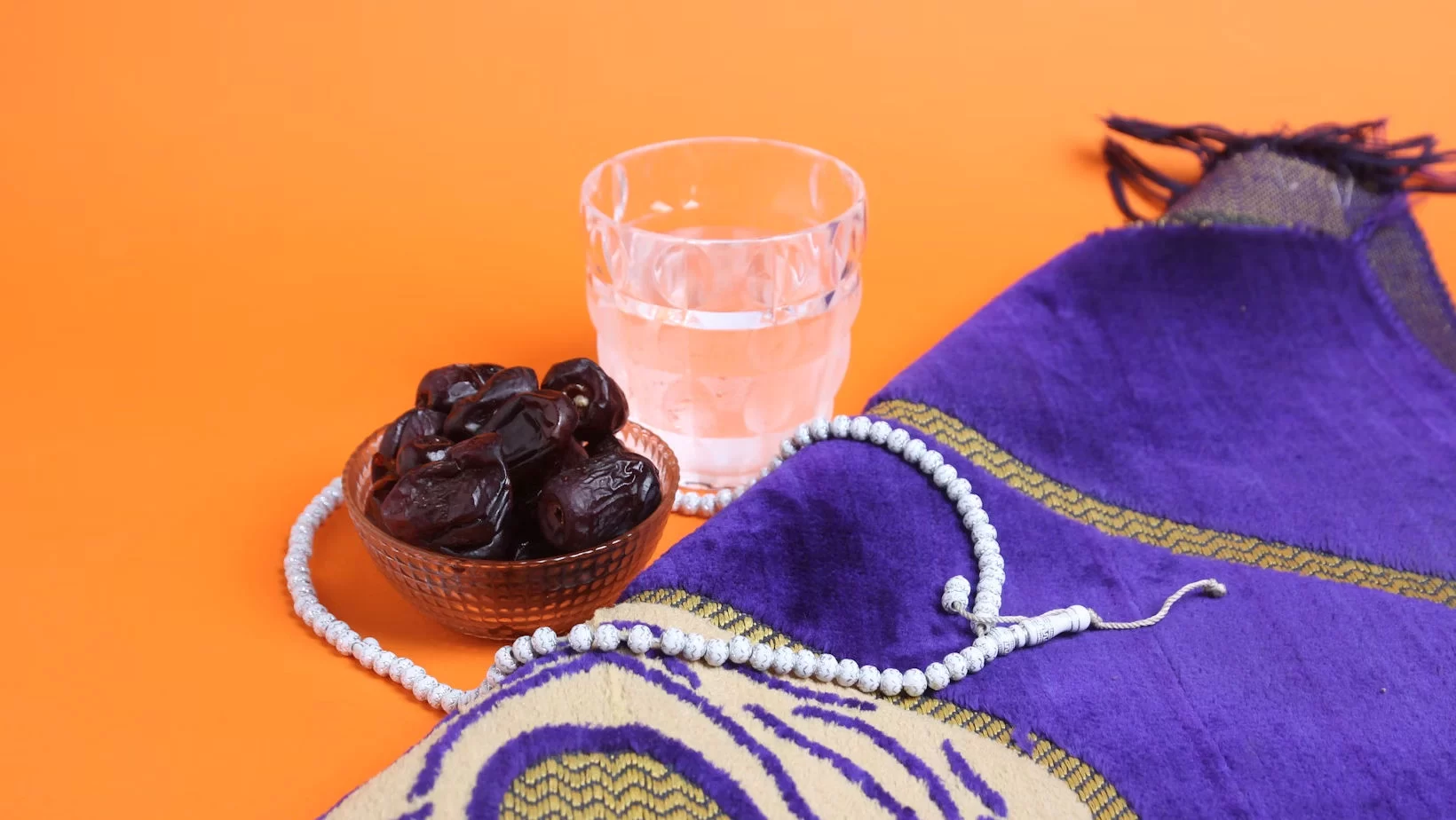
Breaking your fast mindfully sets the stage for optimal nutrient absorption and skin health recovery. The traditional practice of beginning with dates and water demonstrates profound wisdom, as dates provide natural sugars for gentle blood glucose restoration while supporting digestive health.
Follow the One-Third Rule: Fill one-third of your plate with lean proteins (fish, chicken, legumes), one-third with colorful vegetables, and one-third with complex carbohydrates. This balance supports optimal nutrient absorption while preventing the digestive stress that can manifest as skin inflammation.
Emphasize Anti-Inflammatory Foods: Incorporate turmeric, ginger, and omega-3 rich fish to combat inflammation that can accelerate skin aging. These foods also support the body’s natural detoxification processes enhanced during fasting.
Hydrate Strategically: Consume water gradually throughout the evening rather than large quantities immediately after breaking fast. This approach supports kidney function and prevents the bloating that can occur with rapid rehydration.
Blood Testing: Your Roadmap to Optimized Health
As a medical practitioner, I strongly recommend comprehensive blood testing before and after Ramadan to identify and address nutritional deficiencies that directly impact both health and appearance. Many patients are surprised to discover underlying deficiencies that, once corrected, dramatically improve their energy levels and skin quality.
Pre-Ramadan Assessment: Test for vitamin D, B12, folate, iron, ferritin, and inflammatory markers. Addressing deficiencies before fasting begins ensures your body has the resources needed for optimal function throughout the month.
Essential Monitoring Parameters: Include thyroid function, blood glucose regulation, and lipid profiles to establish baseline health metrics. These markers often improve significantly with proper Ramadan nutrition practices.
Post-Ramadan Follow-up: Reassess these markers 4-6 weeks after Ramadan to measure improvements and identify any emerging deficiencies. This data-driven approach allows for personalized supplementation strategies.
Strategic Supplementation for Enhanced Wellness
While whole foods remain the foundation of health, targeted supplementation can address specific needs during Ramadan, particularly for individuals with demanding lifestyles or underlying deficiencies.
Vitamin D Optimization: With limited sun exposure during fasting hours, ensure adequate vitamin D levels for immune function, bone health, and skin cell renewal. Most adults require 2000-4000 IU daily, adjusted based on blood levels.
B-Complex Support: B vitamins are crucial for energy metabolism and skin health. A high-quality B-complex taken during non-fasting hours can prevent fatigue and support cellular repair processes.
Omega-3 Fatty Acids: These anti-inflammatory compounds support cardiovascular health, brain function, and skin barrier integrity. Choose molecularly distilled fish oil or algae-based options for vegetarians.
Magnesium Glycinate: This mineral supports over 300 enzymatic reactions, including those involved in stress response and sleep quality. Proper magnesium levels help maintain skin health and emotional balance during the spiritual intensity of Ramadan.
The Mind-Body-Spirit Connection in Holistic Wellness
Ramadan beautifully demonstrates the interconnected nature of mental, physical, and spiritual health. The mindfulness cultivated through fasting creates measurable changes in stress hormone levels, which directly impact skin health and overall vitality.
Stress Reduction Benefits: The meditative aspect of fasting activates the parasympathetic nervous system, reducing cortisol levels that can contribute to skin aging, weight gain, and inflammatory conditions.
Enhanced Emotional Regulation: The self-discipline required during fasting strengthens neural pathways associated with emotional control, leading to improved stress management skills that benefit overall health.
Community and Connection: The communal aspects of Ramadan provide social support that research consistently links to improved health outcomes and longevity.
Sustaining Your Wellness Beyond Ramadan
The true measure of Ramadan’s health benefits lies in maintaining the positive practices developed during the month. Transform temporary religious observance into permanent lifestyle improvements that support long-term wellness and aesthetic goals. Maintain Intermittent Fasting: Continue with modified intermittent fasting protocols such as 16:8 or 14:10 eating windows to preserve the metabolic benefits achieved during Ramadan.
Preserve Mindful Eating Practices: Retain the heightened awareness of hunger and satiety signals developed during fasting. This mindfulness prevents emotional eating and supports long-term weight management.
Continue Nutrient-Dense Choices: Maintain the emphasis on whole foods, adequate protein, and anti-inflammatory choices that support both internal health and external radiance.
Professional Support for Optimal Results
While Ramadan provides an excellent foundation for health transformation, individual needs vary significantly. Professional guidance ensures that your wellness approach addresses your unique genetic, lifestyle, and health factors.
At Revitalyze, I combine my medical training with a deep understanding of how internal health manifests externally. Through comprehensive assessments, personalized supplementation protocols, and evidence-based treatments, we can optimize the health improvements initiated during Ramadan.
Consider scheduling a consultation to discuss how advanced therapies such as NAD+ treatments or targeted mesotherapy can complement your holistic wellness approach. These treatments work synergistically with the internal health improvements achieved through mindful Ramadan practices.
The integration of spiritual practice with medical science creates powerful opportunities for transformation. By approaching Ramadan with both reverence and scientific understanding, you can achieve lasting improvements in health, vitality, and confidence that honor both your faith and your wellness goals.
To learn more about optimizing your health during Ramadan and beyond, contact us to schedule a comprehensive wellness consultation tailored to your individual needs.